Portierswoning
Renovation of a historic monument near Wittenburg Castle
INTRODUCTION
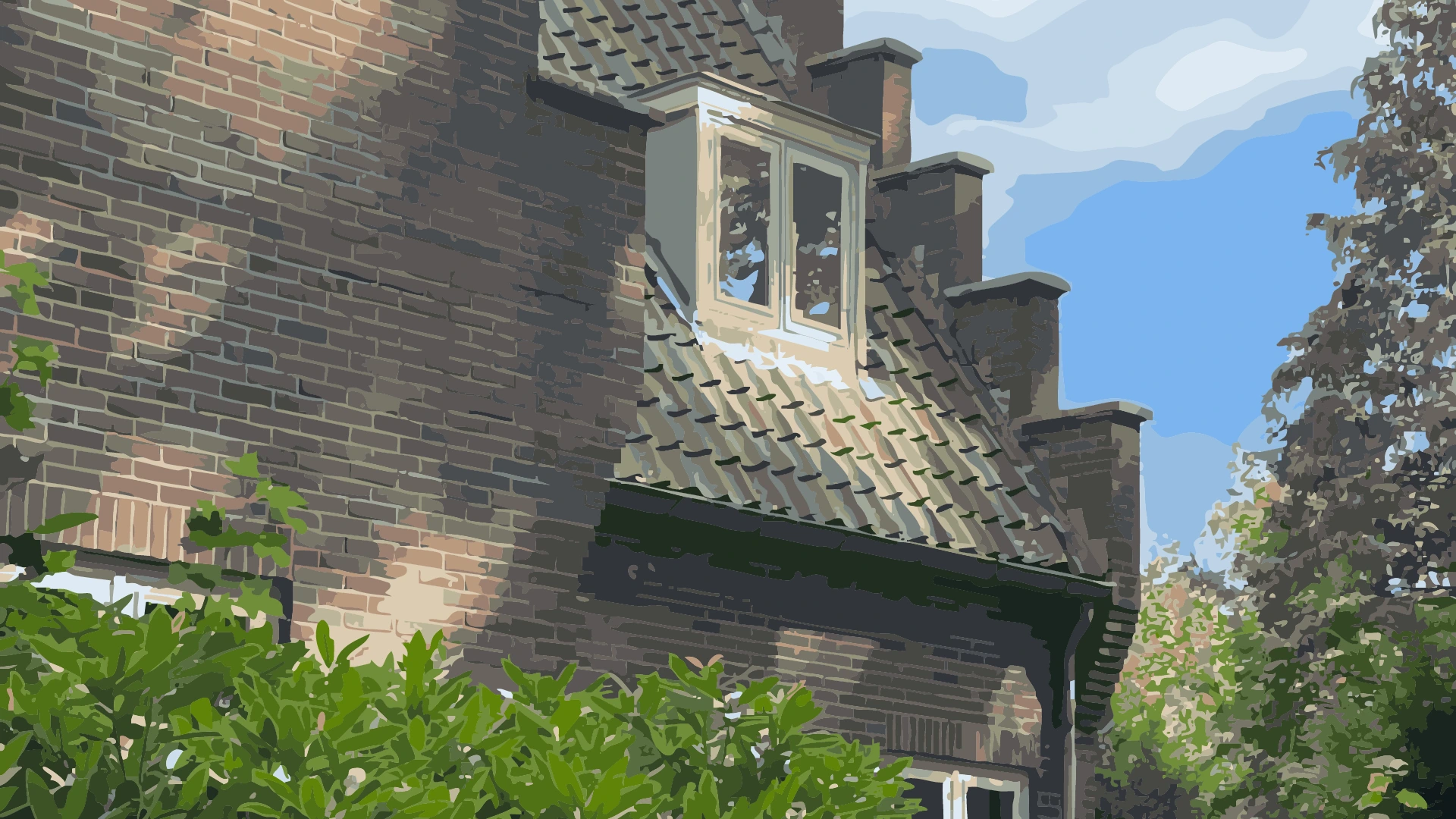
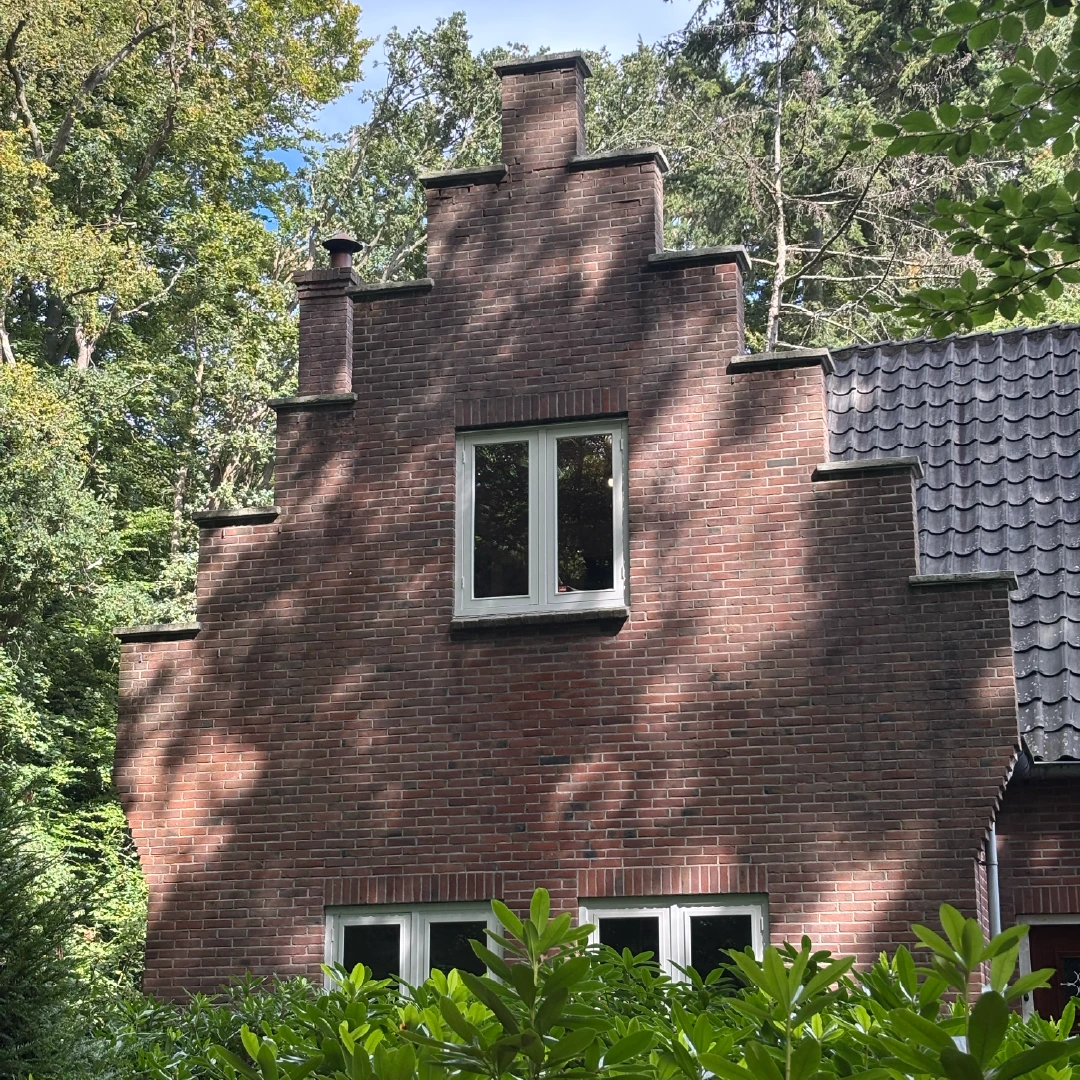
This project introduces the challenge of renovating an old building and applying modern standards and systems to a home that was not originally designed for them. The building I selected is located in Wassenaar, the Netherlands. It is a small house with a yard, covering 122 square meters.
Built in 1900 as a guardhouse for Castle Wittenburg, the house originally included two bedrooms on the upper floor, a kitchen, a toilet inside the house, a living room, and a basement. At the time, having an indoor toilet was considered a luxury, although it was supplied only with cold water.
The ground floor features two fireplaces and a distinctive kitchen interior with deep blue accents. My task was to renovate this historic house so that it meets modern building codes and provides a comfortable living environment.
HISTORY
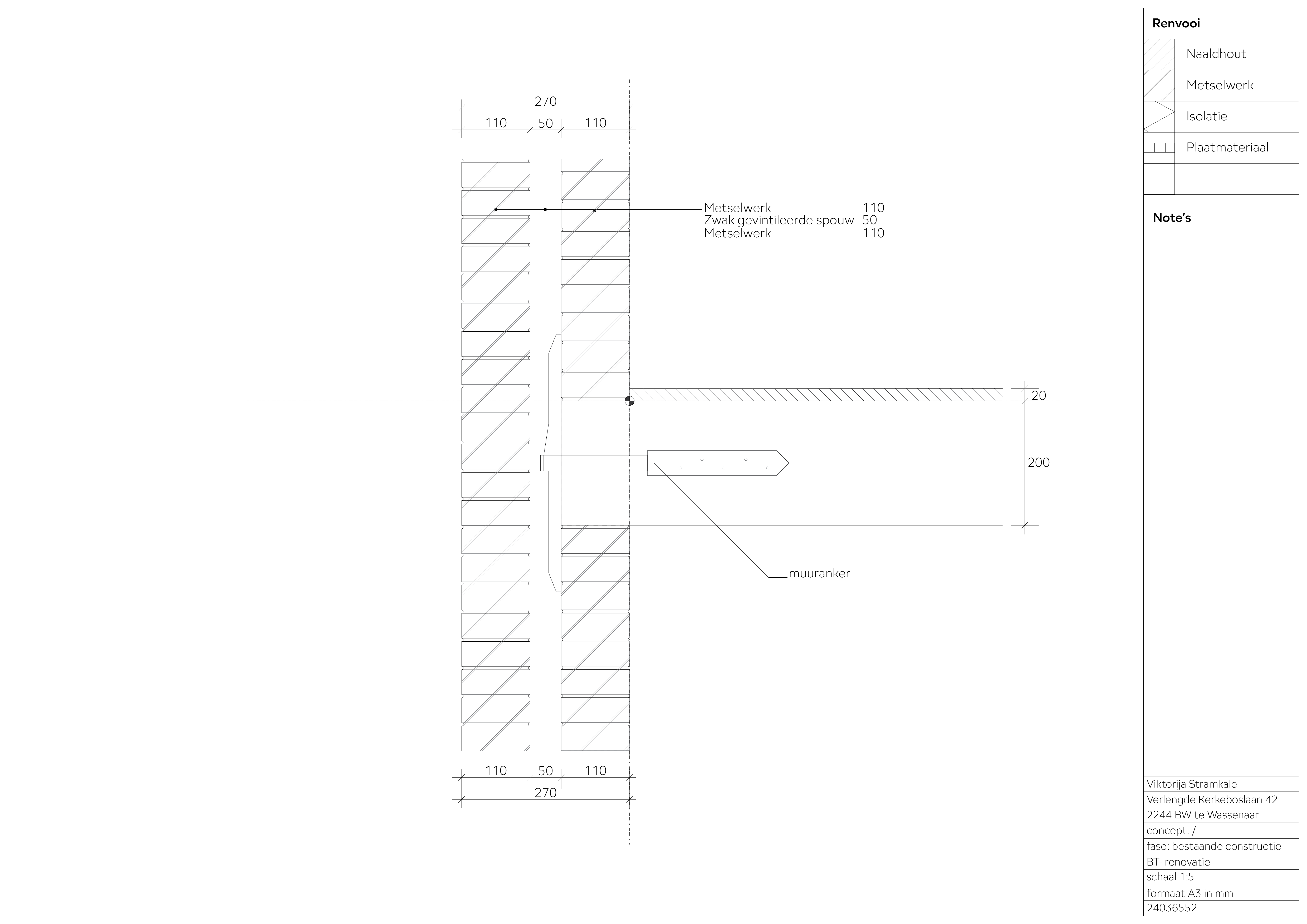
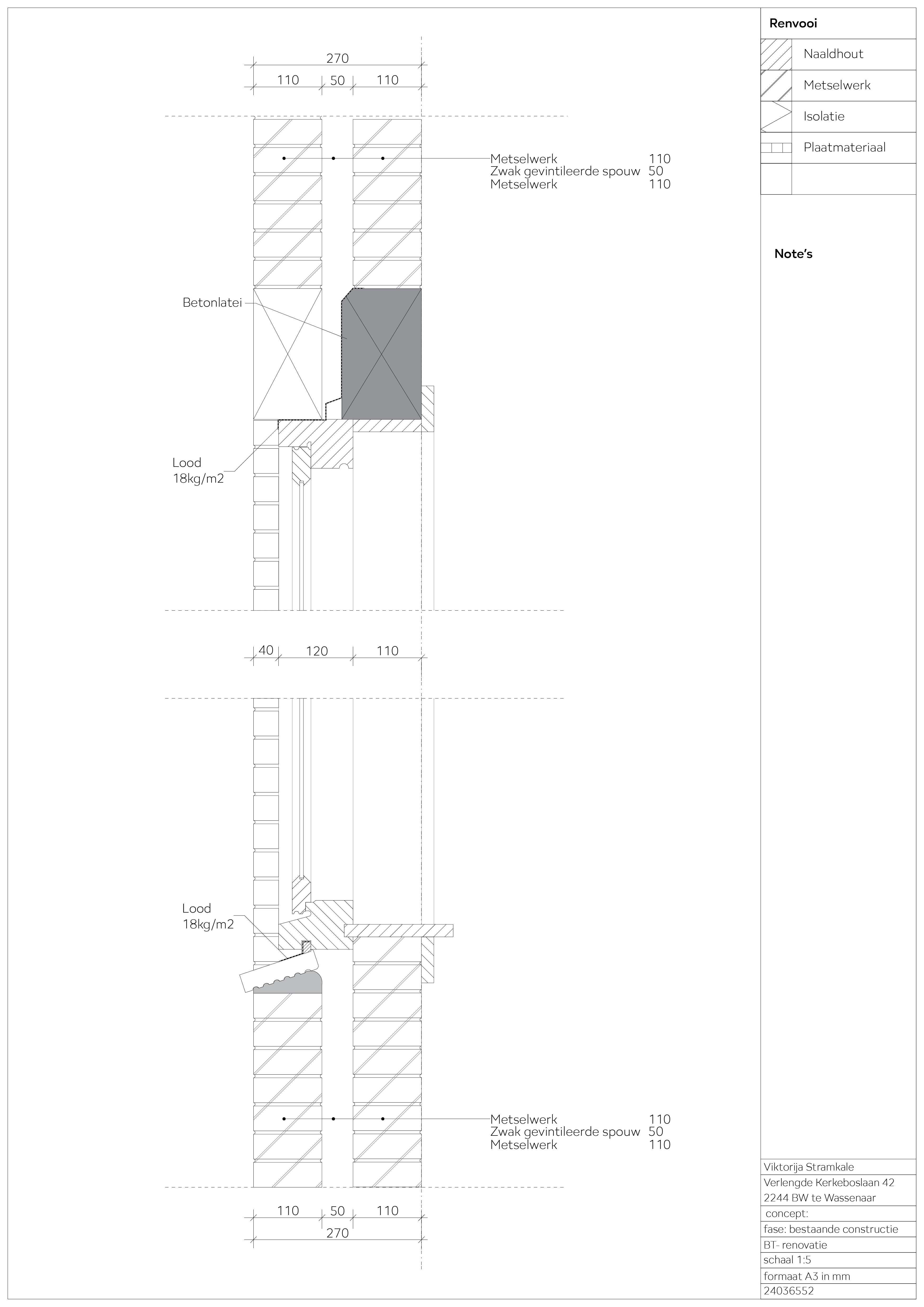
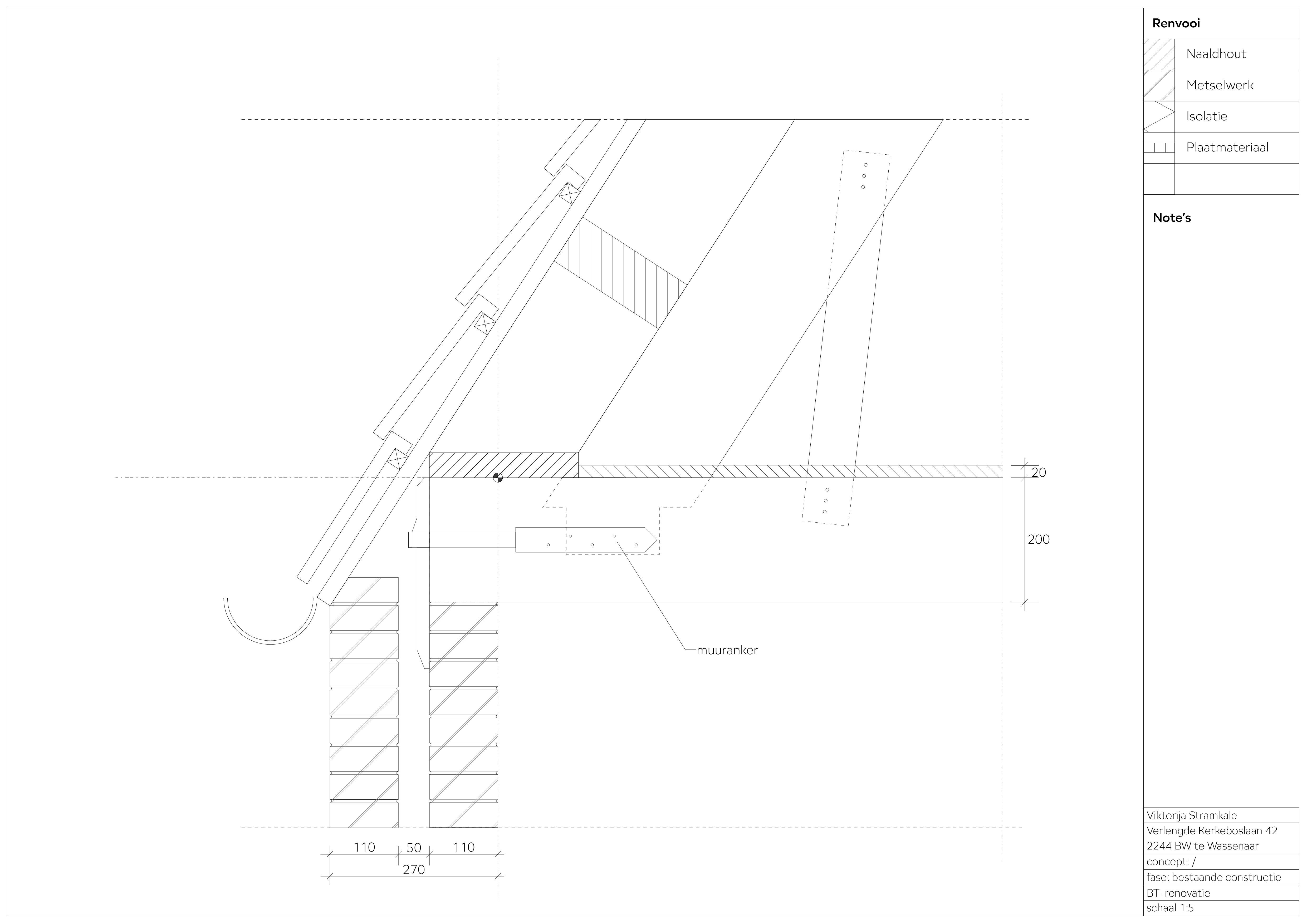
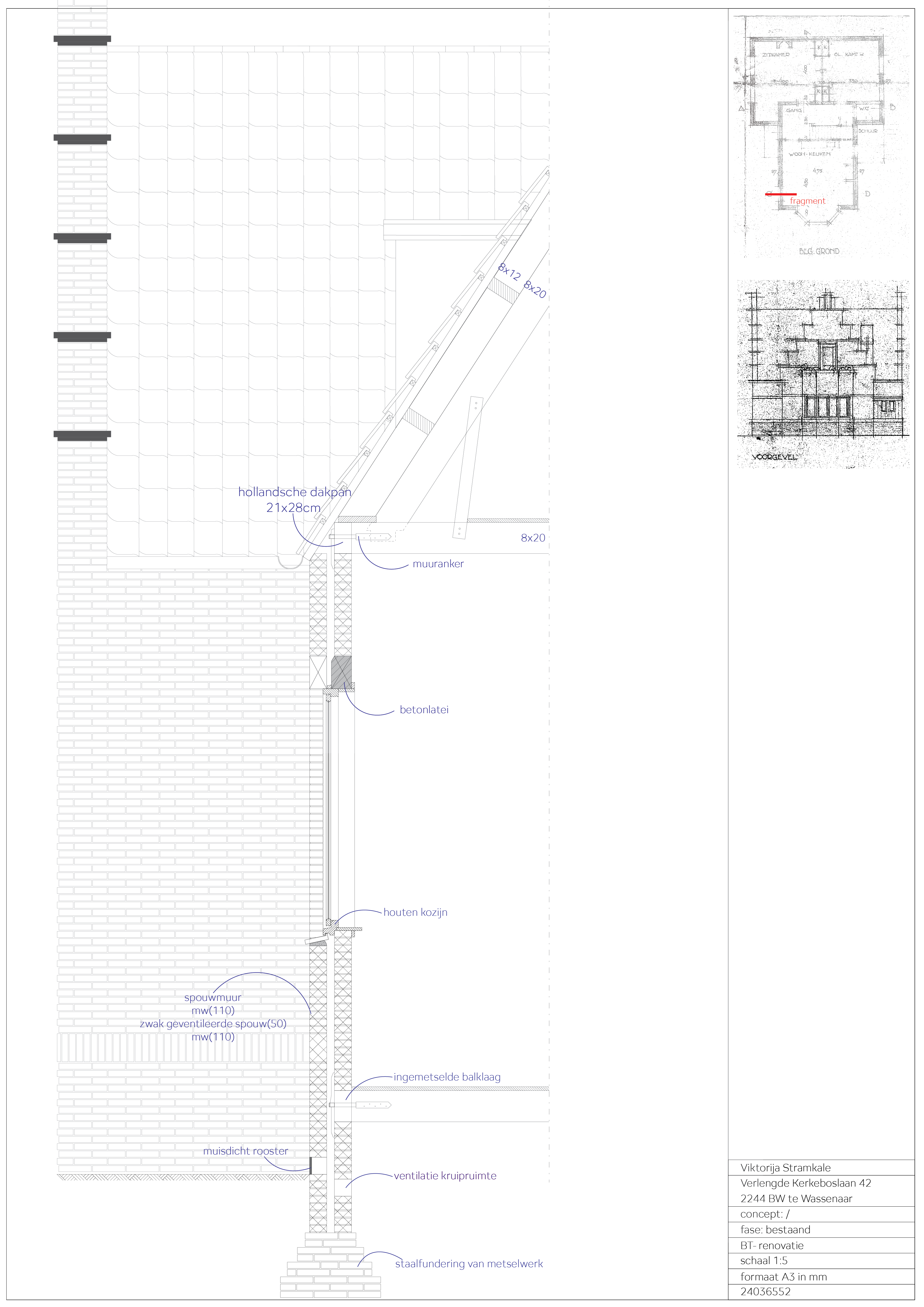
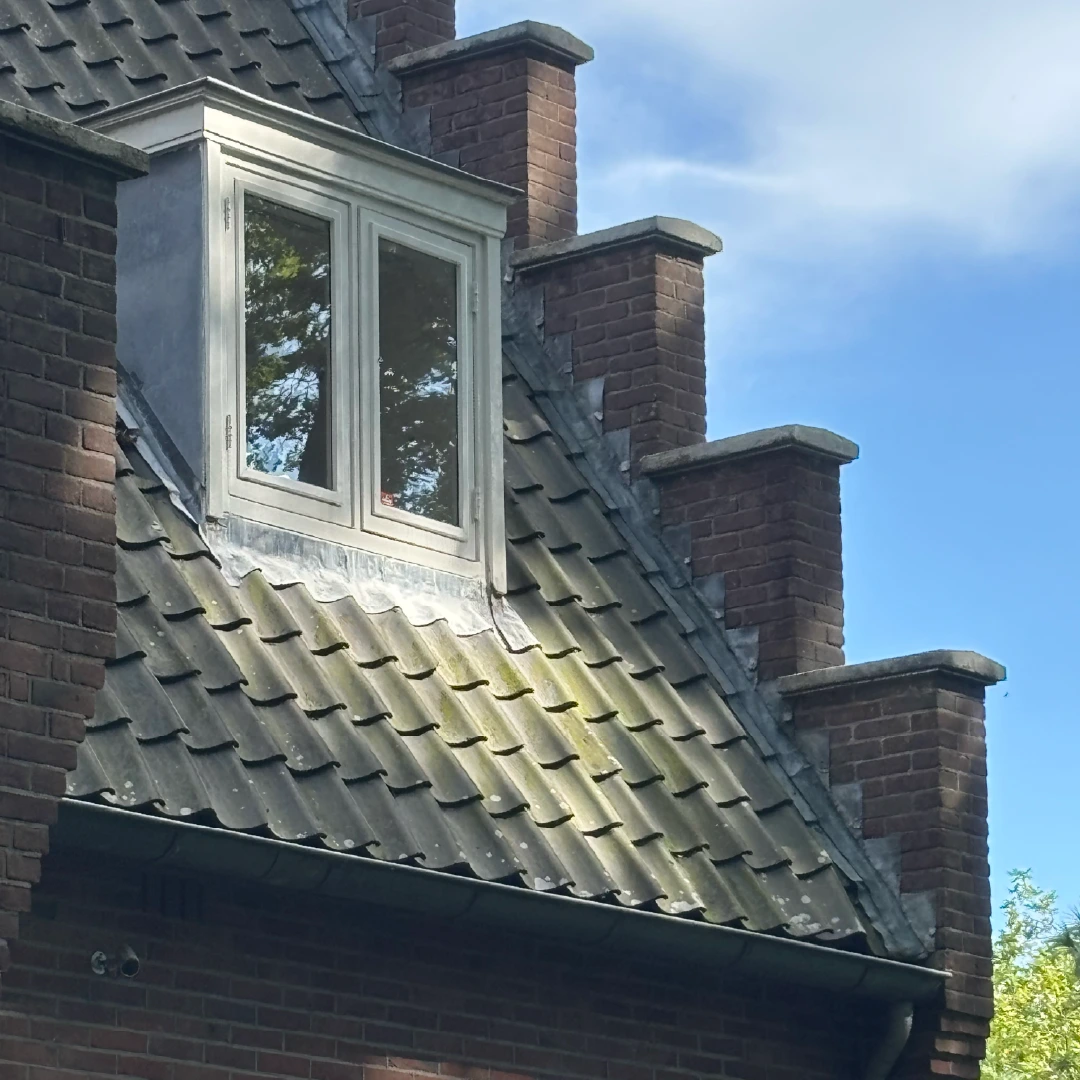
The house was built in 1900. During this period, Dutch construction already included cavity wall ventilation, although insulation was not yet applied. The wall is approximately 270 mm thick and likely consists of 110 mm brick with a 50 mm cavity. The floor beams are embedded in the brick walls.
The house was designed in the Dutch Neo-Renaissance style by architect J.J. van Nieukerken. It continued to be used as a regular home until September 2025, when it was put up for sale.
RISKS AND ISSUES
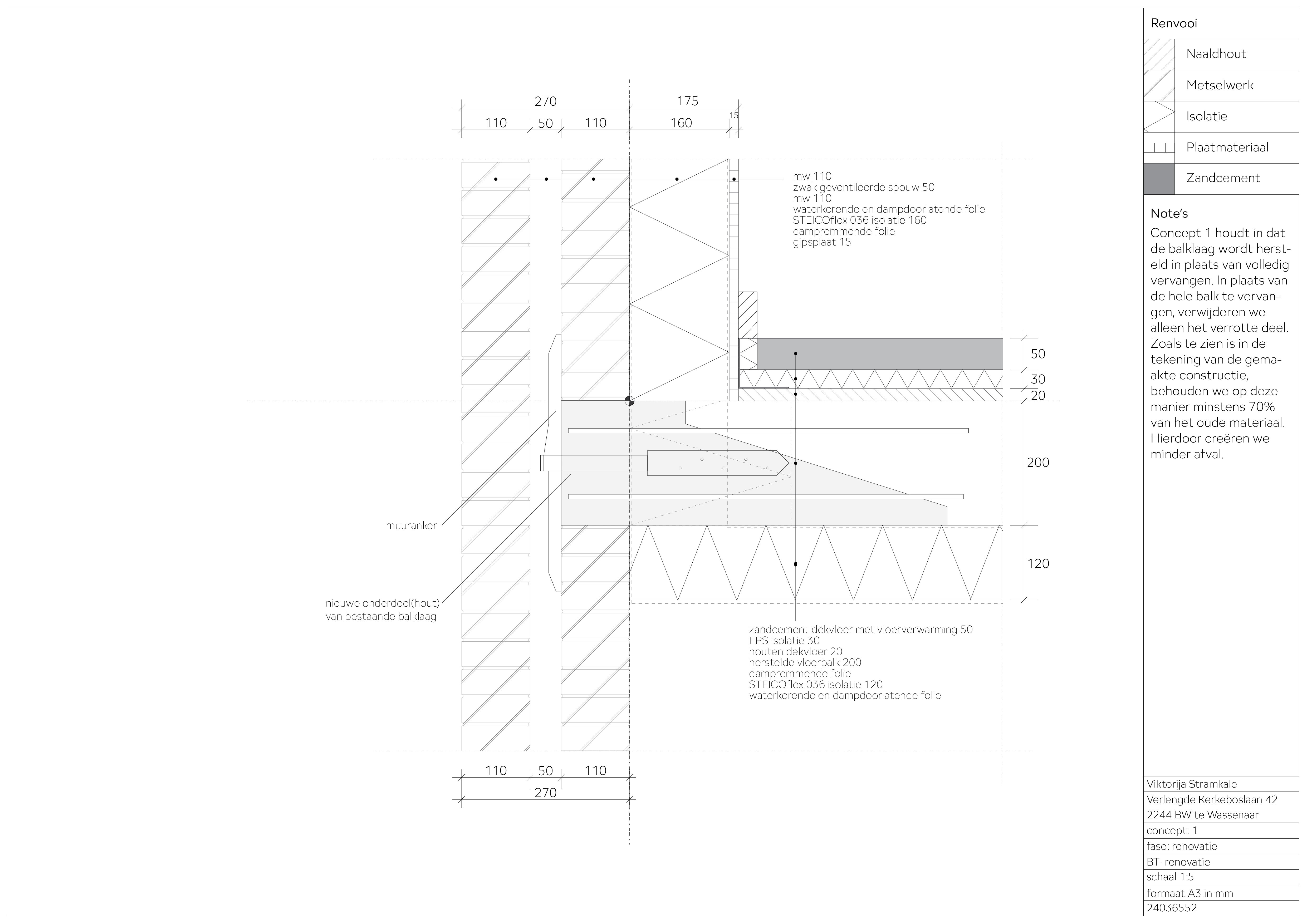
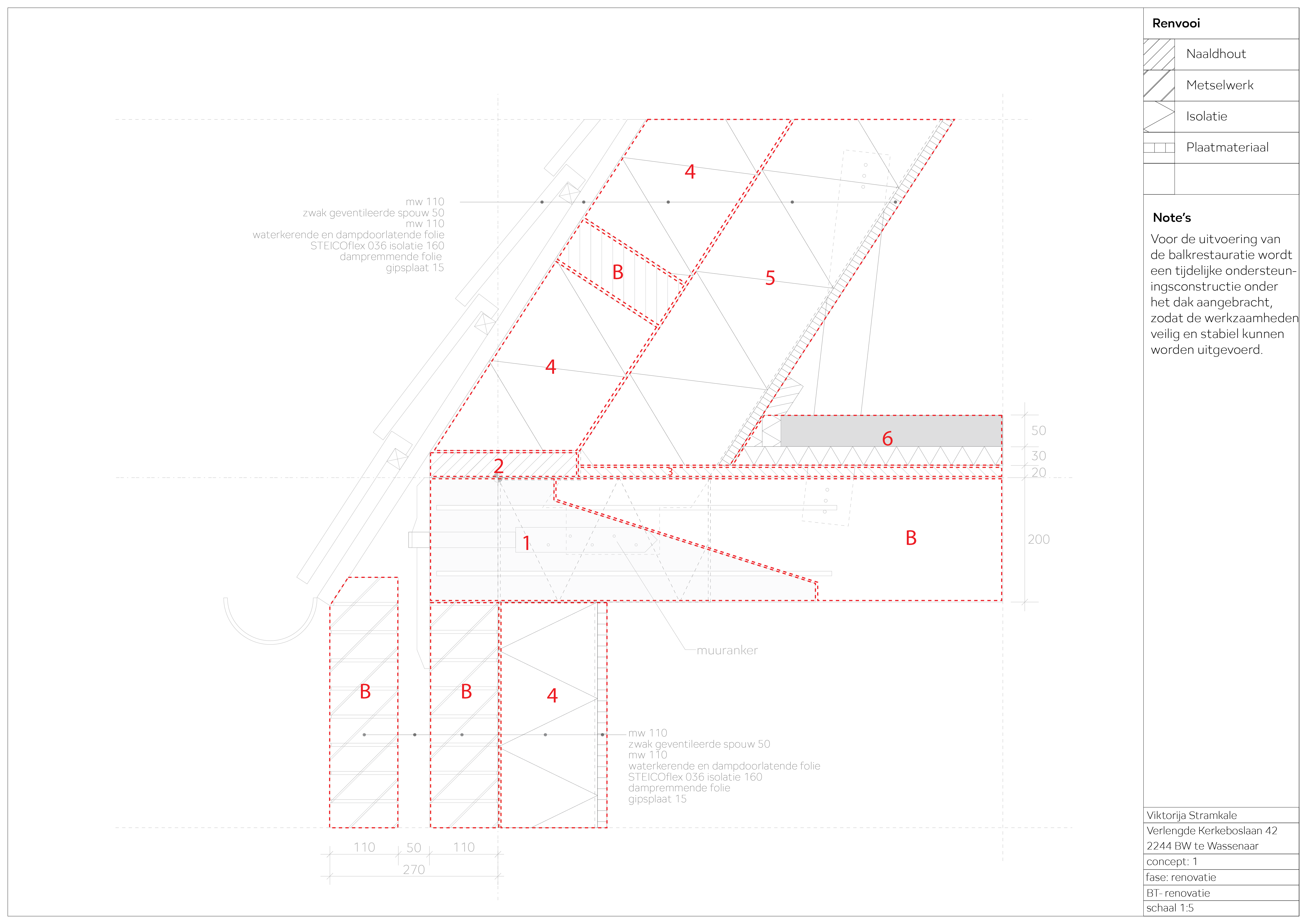
The highest risk lies in the structural condition of the building. The timber beams may have rotted due to moisture buildup within the walls. Because the house is a small guardhouse of a castle, there is very limited information available, so it is unclear whether any protective treatment was applied to prevent moisture damage.
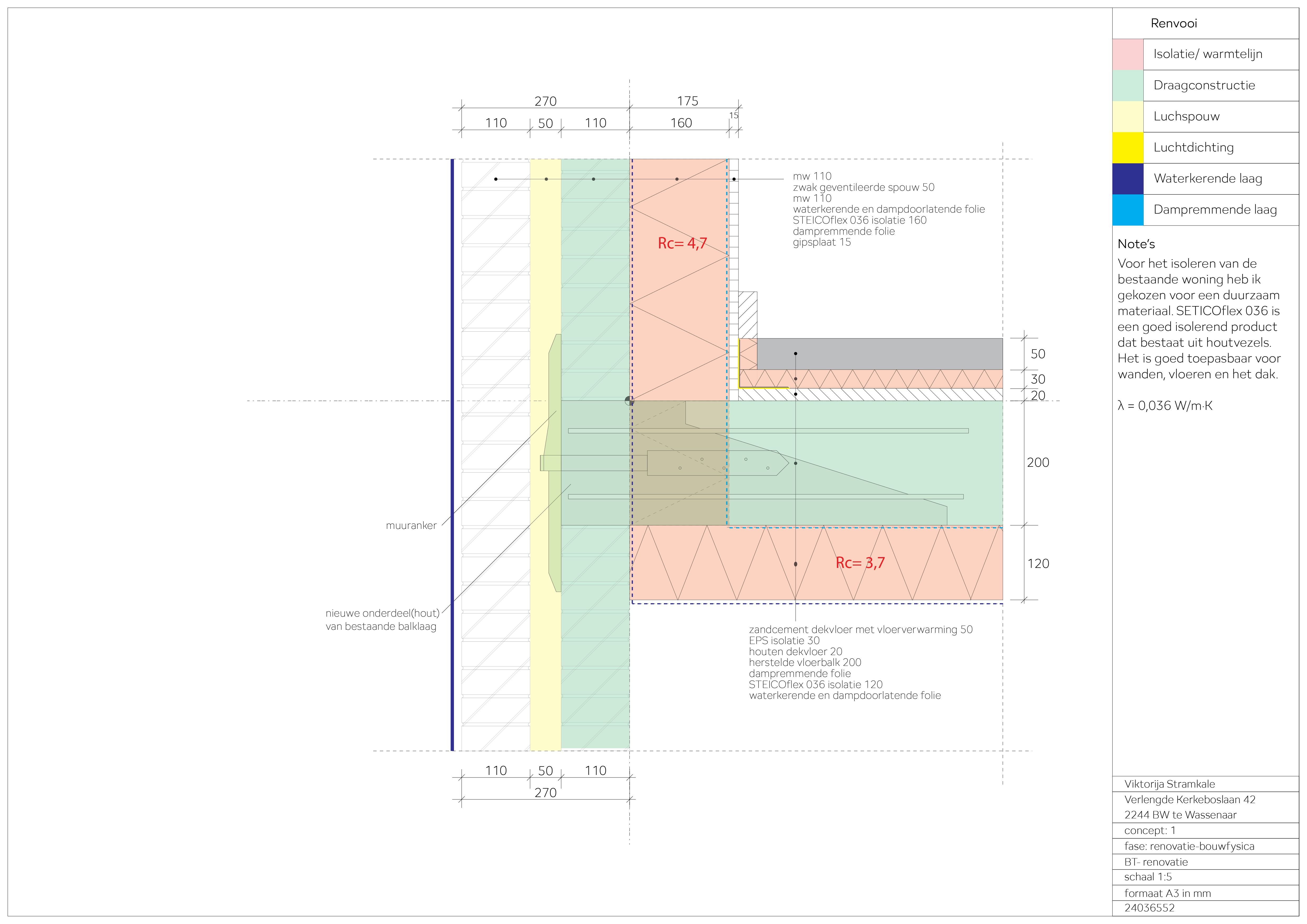
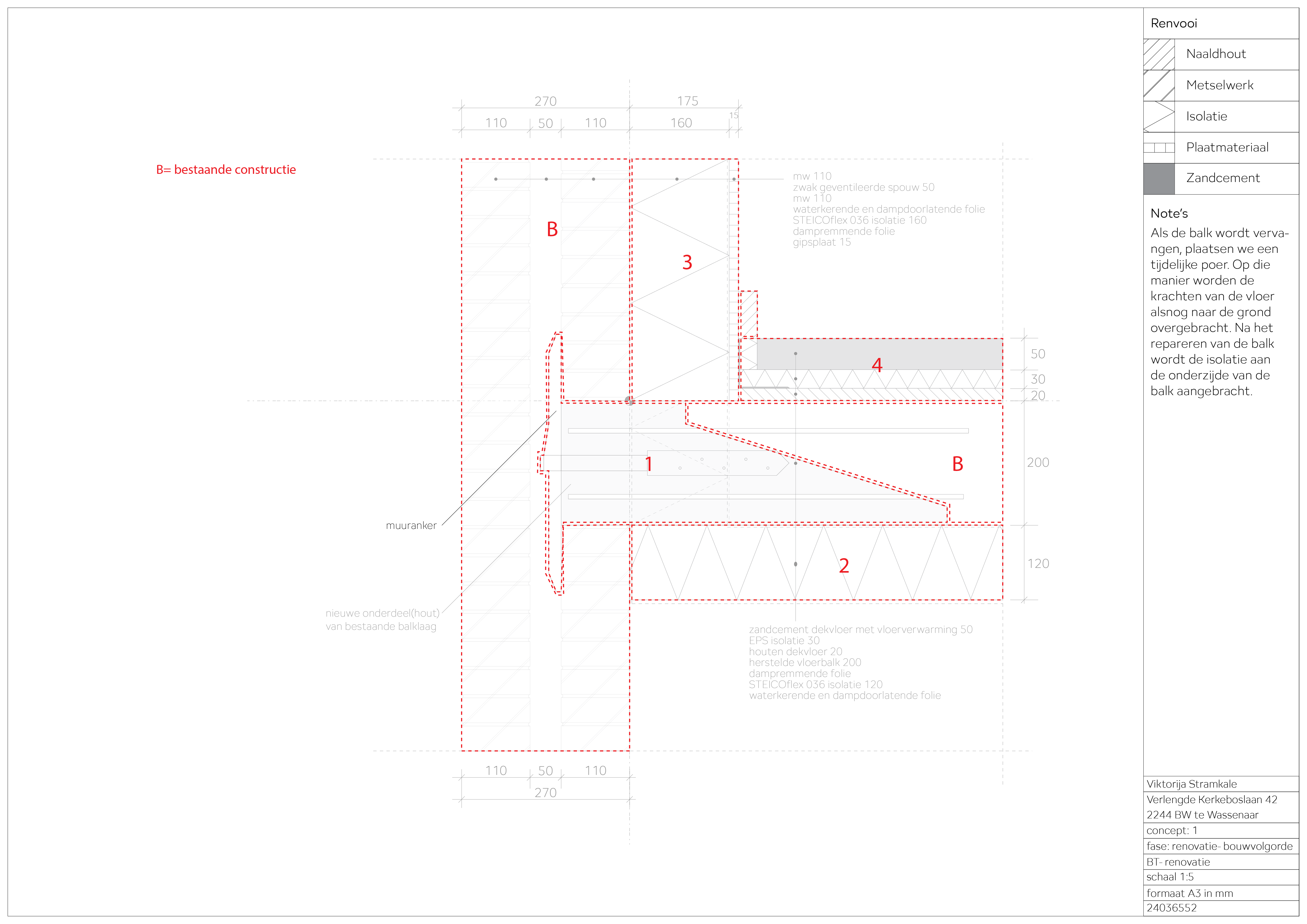
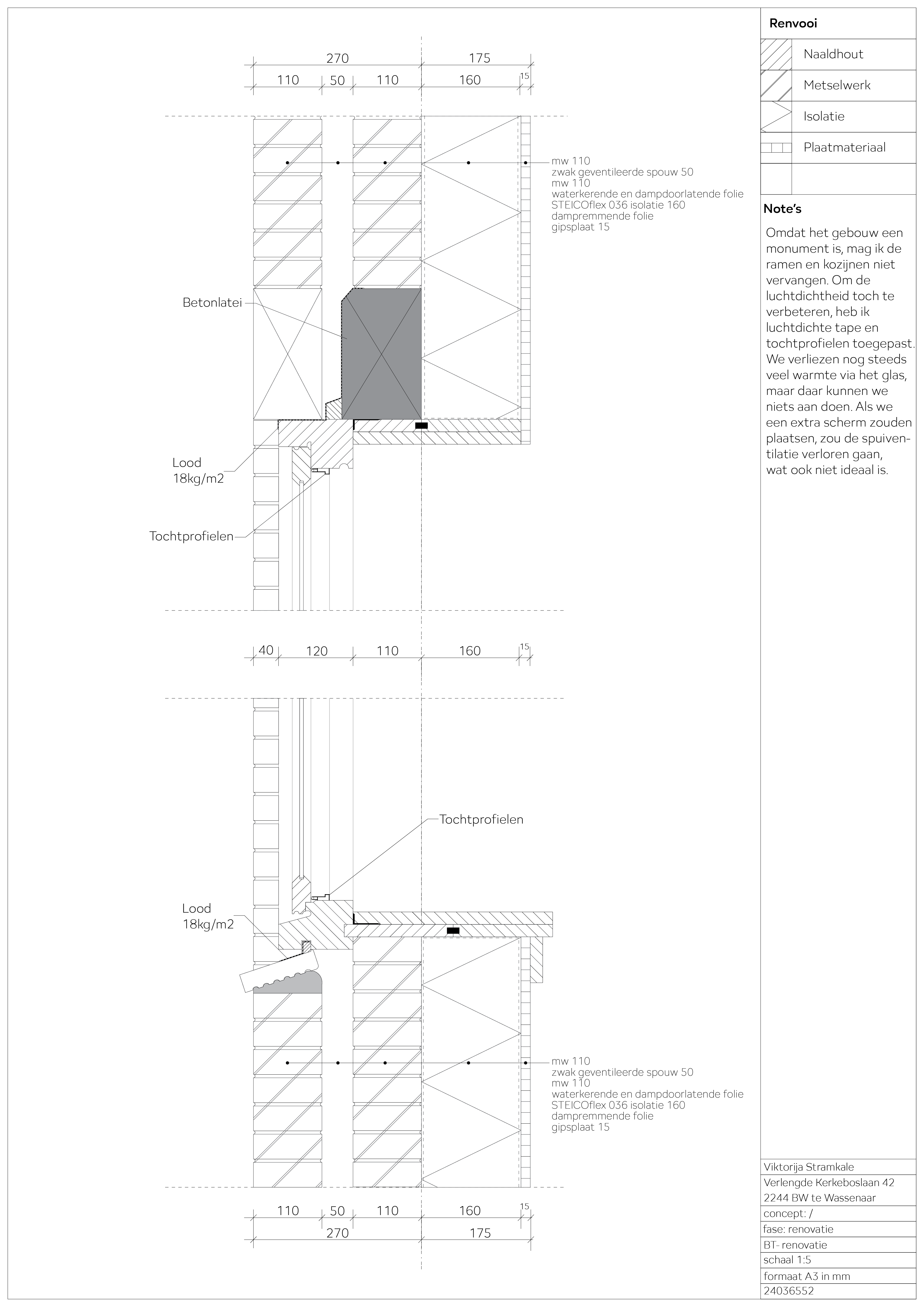
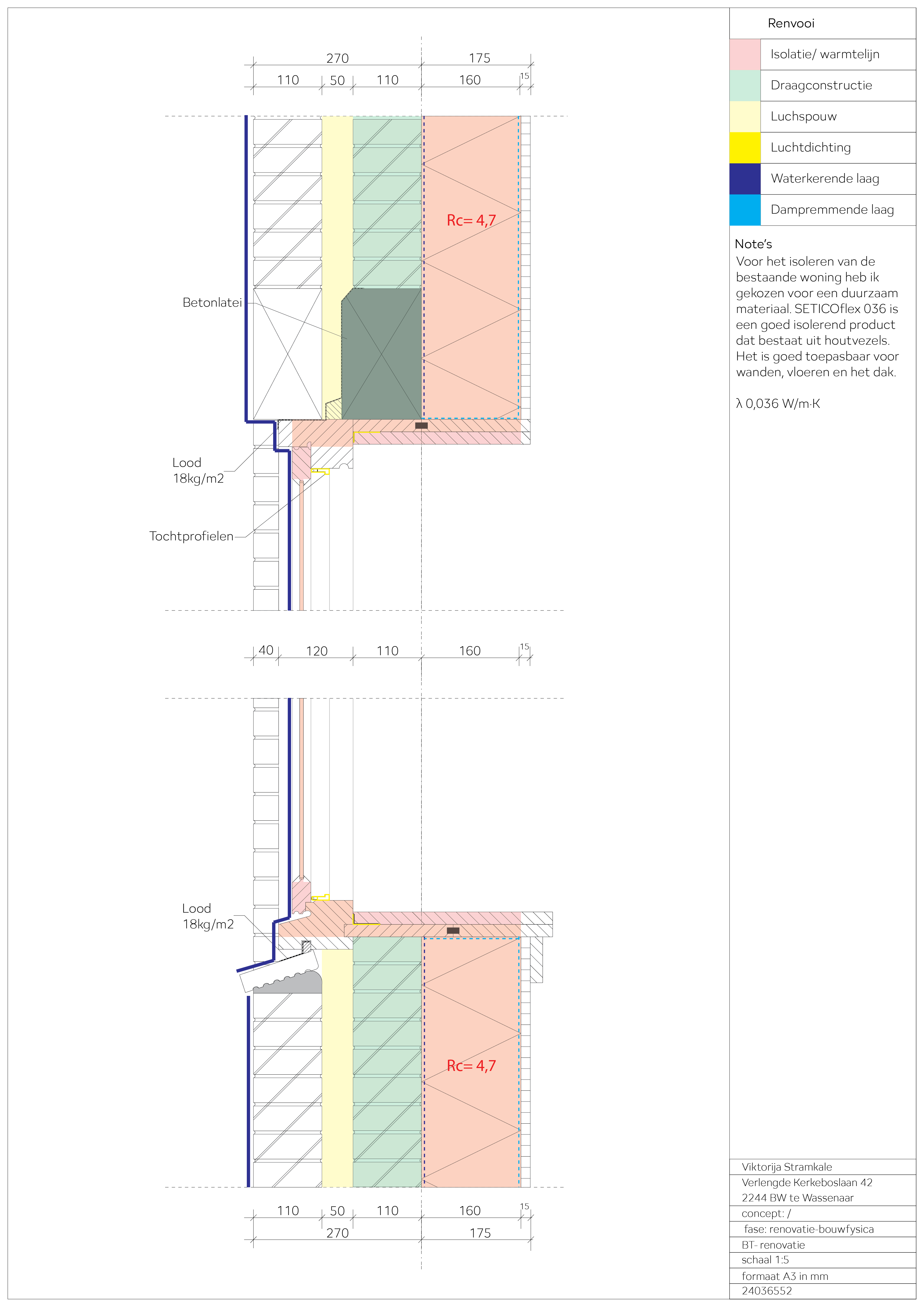
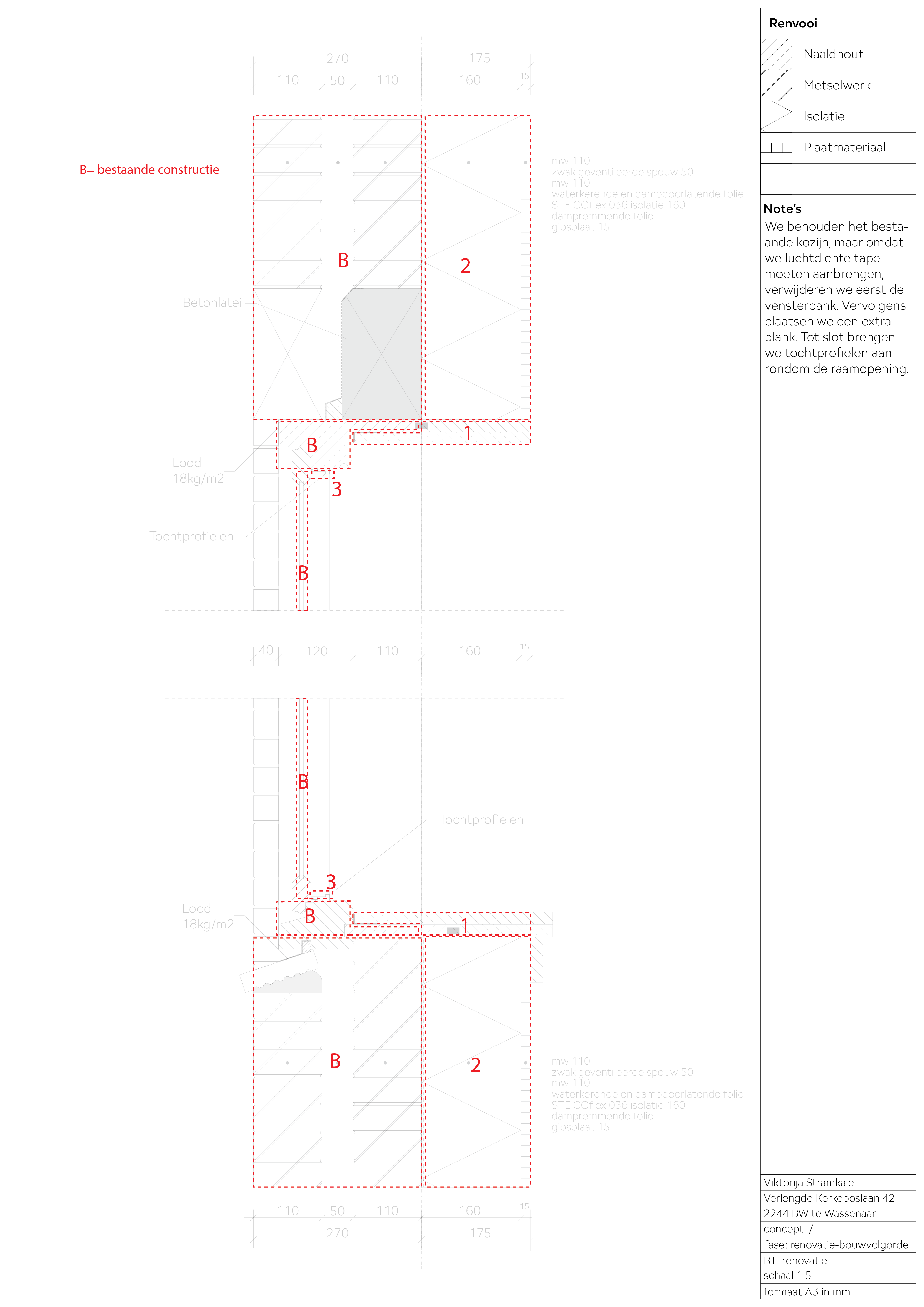
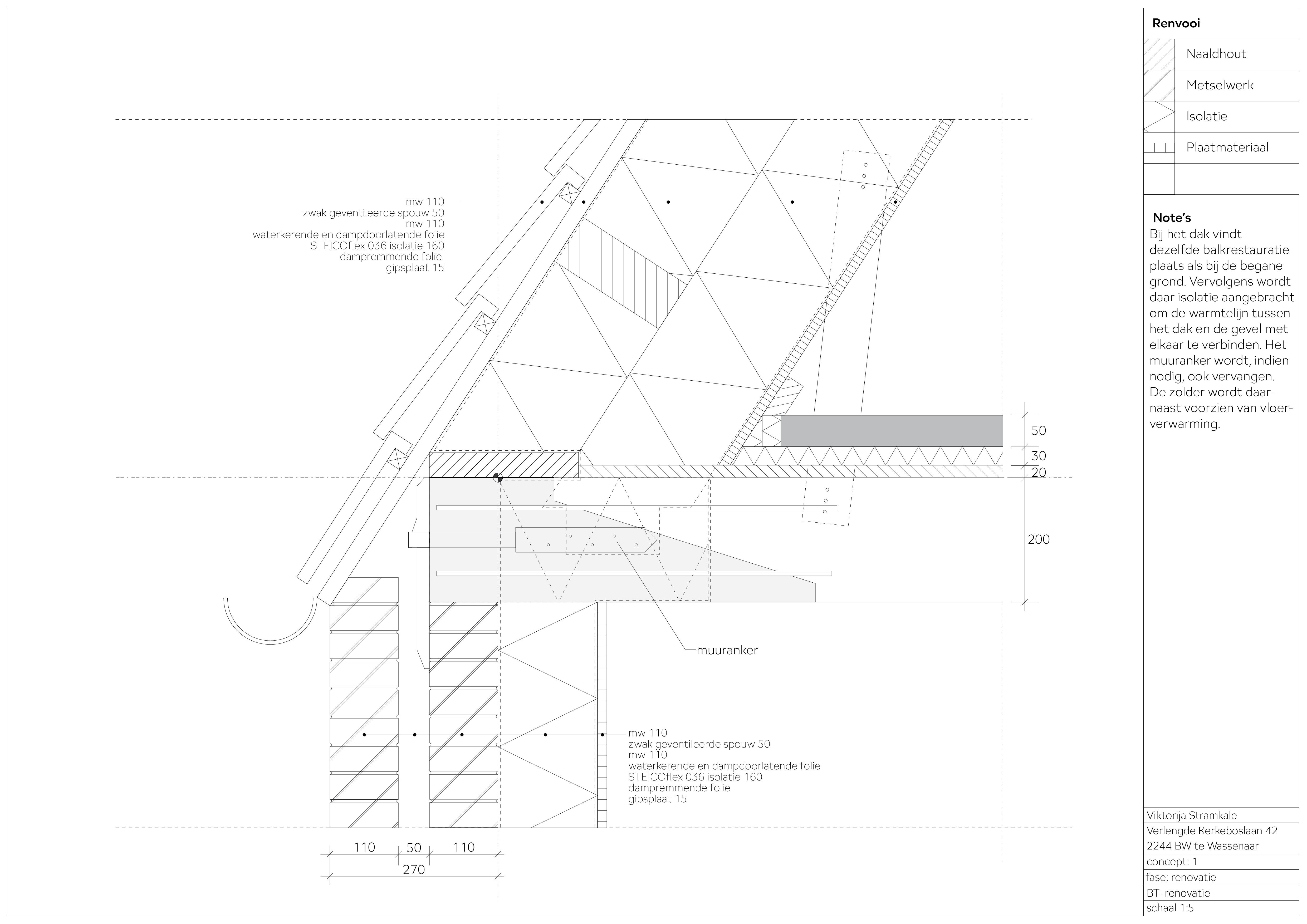
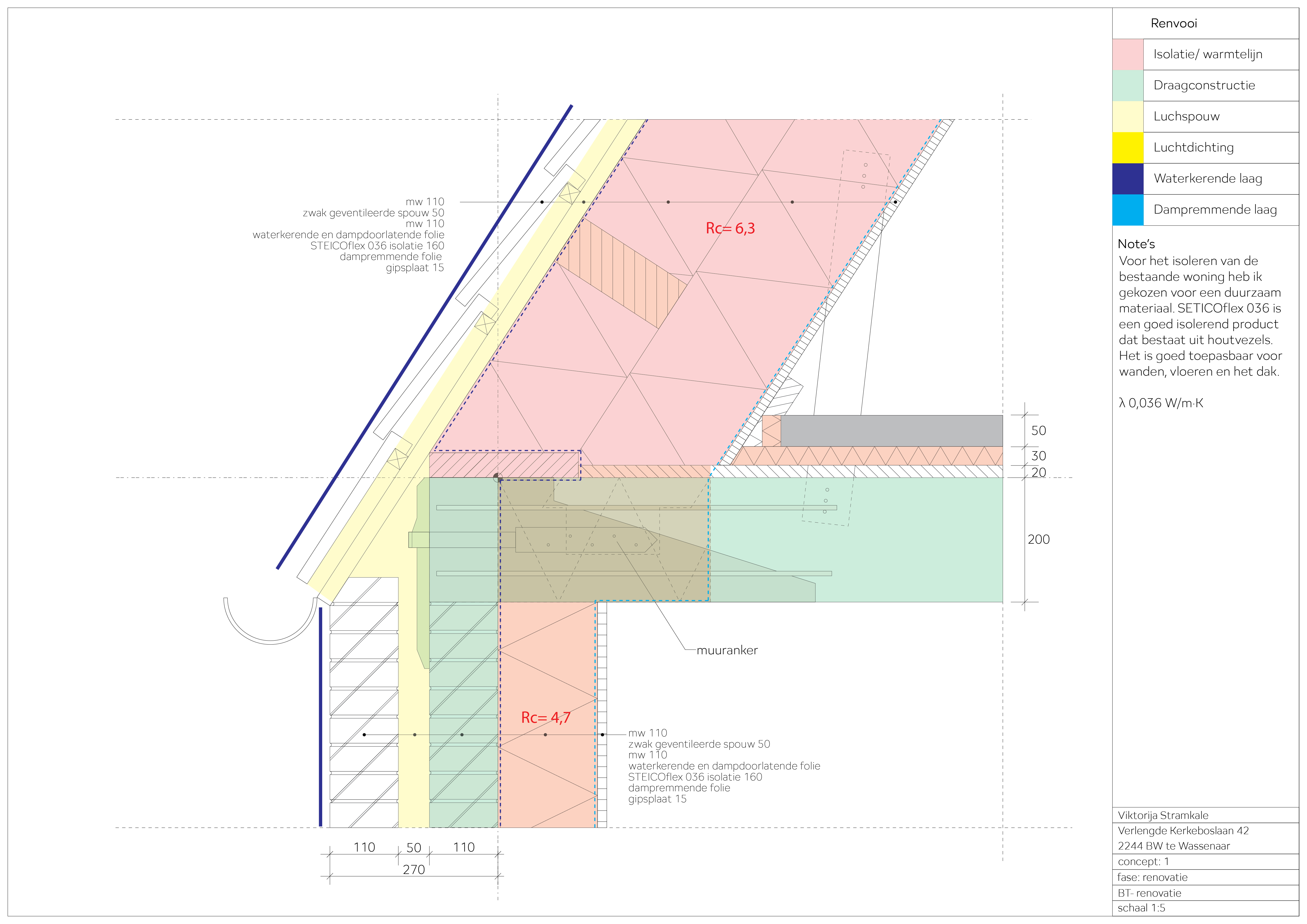
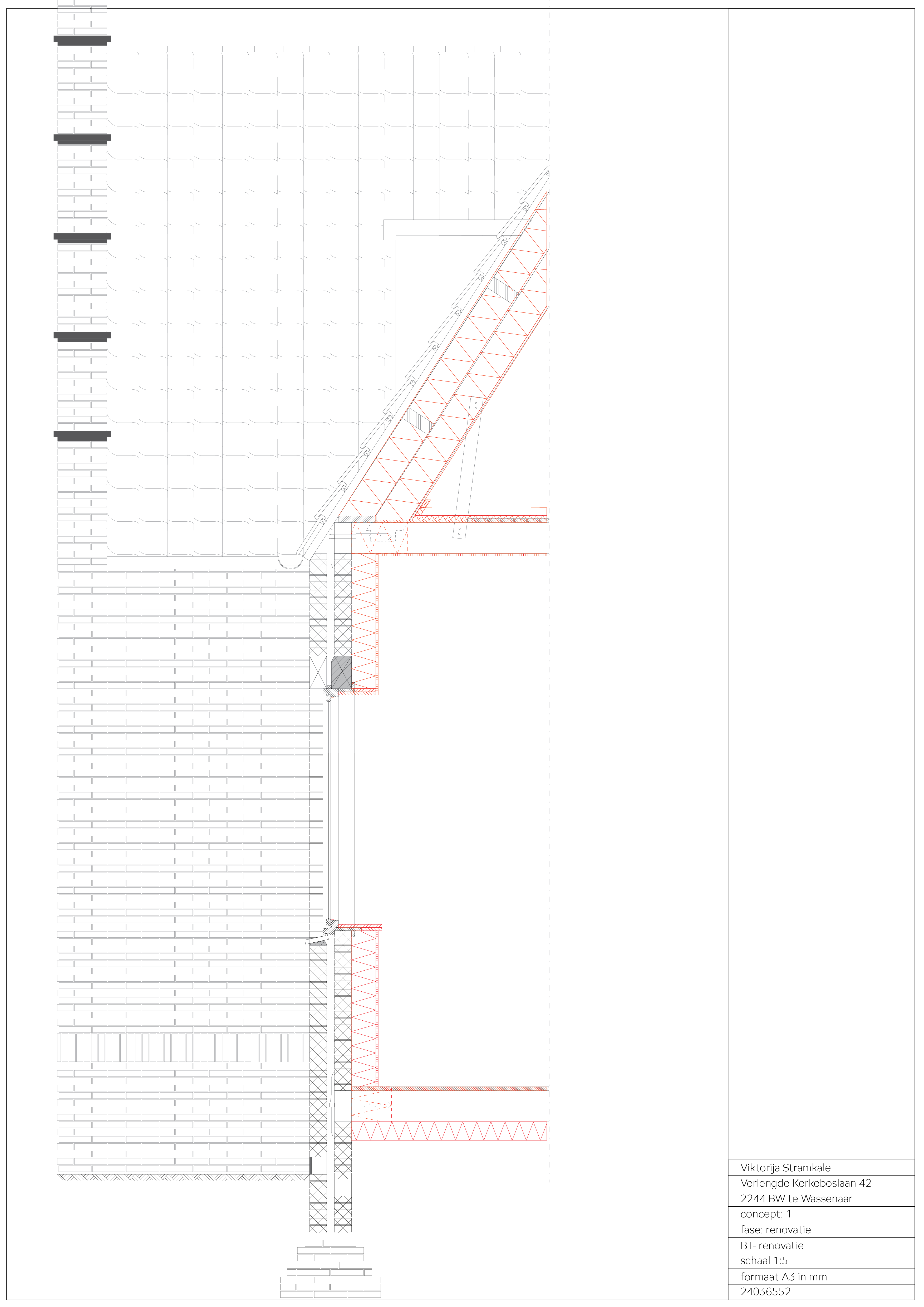
For this renovation, I assumed a worst-case scenario in which parts of the beams have decayed and require urgent restoration. I took inspiration from restoration guidelines from TU Delft to replace the damaged sections with a material that is resistant to moisture and provides thermal performance, preventing cold air infiltration. As I am not allowed to alter the exterior appearance of the building, insulation is applied from the inside. This approach also helps to minimize invasive interventions and ensures better control over airtightness.